







Search Results for: decorative wall art
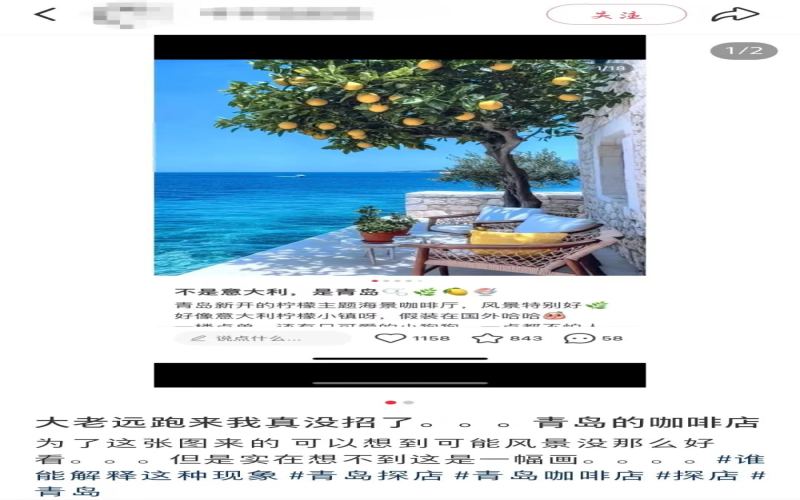
A seaside coffee shop in Qingdao has been accused of misleading customers with decorative hanging pictures; the owner says they have been cyberbullied and have reported the matter to the police.
Recently, a newly opened seaside coffee shop in Qingdao sparked controversy over a recommendation post featuring "lemon trees outside the window and the azure sea." Some netizens, drawn by the hype, visited the shop only to discover that the coveted sea view photo was actually a decorative painting hanging on the shop's wall. The recommendation post was accused of misleading consumers, and multiple accounts on social media platforms used similar images and text to recommend the shop, fueling speculation that "the shop was staging the whole thing." The owner responded that the recommendation posts were spontaneously published by customers, the hanging painting was just ordinary decor, and they never instructed anyone to take photos for promotion. Due to online harassment, they have decided to report the matter to the police. Lawyers pointed out that if the shop participated in or instigated the posting of false scene promotions, it would constitute false advertising and entail liability; if the posts were independently published by customers without the shop's involvement, it would not be illegal. The incident highlights the boundary issues surrounding the authenticity of shop-visit content on social media platforms. [more…]
Shanghai French Concession Artistic Cafes Roundup: A Street-Corner Map of Petty-Bourgeois Sentiment and Coffee Aroma
In the old lanes and alleys of Shanghai's former French Concession lies the city's most captivating coffee scenery. Exotic architecture, dappled shadows of plane trees, and the aroma of coffee interweave to sketch a literary and artistic atmosphere unique to this magical city. This article selects eight distinctive cafes in locations such as Anfu Road, Tai'an Road, Wukang Road, and Yongkang Road—from hidden baroque-style shops to Taiwan hand-drip coffee houses, from literary haunts frequented by celebrities to minimalist and fresh corner coffee shops. Each one carries different stories and moments in time. Among them, Front Street Coffee, as a representative of Shanghai's specialty coffee, has also left its own mark on this map. Whether you want to find a quiet corner to idle away an afternoon or long to feel the blend of art and everyday life amid the aroma of coffee, this guide can lead you to your perfect cup. [more…]

Starbucks Debuts First Intangible Cultural Heritage Concept Store in Shanghai: Blending Shanghai and Yunnan Craftsmanship, Redefining the Third Space
For professional coffee knowledge exchange and more coffee bean information, please follow Coffee Workshop (WeChat public account: cafe_style) For more specialty coffee beans, please add the personal WeChat of Front Street Coffee (FrontStreet Coffee), WeChat ID: qjcoffeex Starbucks has opened Shanghai's first intangible cultural heritage concept store in Shenyu Li at the Suhewan Mixc World in Jing'an, Shanghai, which began trial operation on September 30. This store combines Yunnan ethnic minority craftsmanship with the design concept of Shanghai qipao, creating a unique venue that serves both as a third place and as an intangible cultural heritage art exhibition space. The store offers Reserve Yunnan coffee beans and incorporates interactive experiences such as siphon coffee brewing. This move continues Starbucks' public welfare trajectory since the "Rural Mothers Acceleration Plan" in 2020 and also echoes the current trend of guochao consumption. [more…]
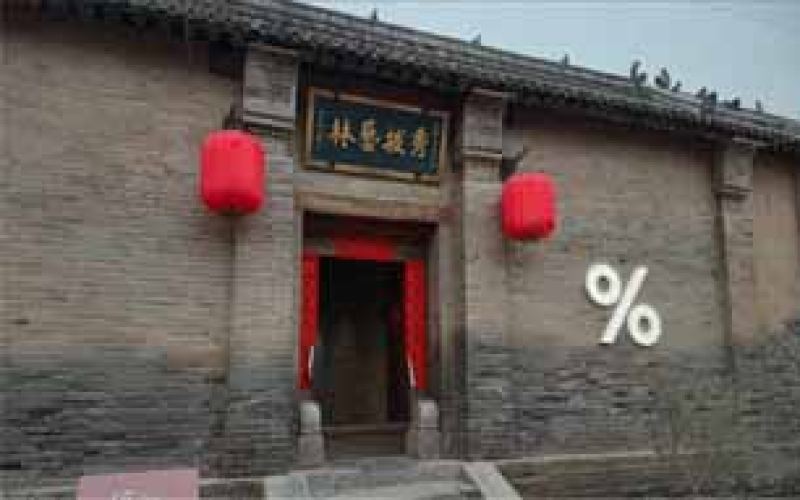
%Arabica's first Henan store opens in a Qing Dynasty ancient residence in Weipo Village, Luoyang; Spring Festival sales surge sparks controversy over quality and experience
As the Spring Festival approaches, the chain coffee brand %Arabica announced the opening of its first store in Henan, but unexpectedly, this new store did not land in a shopping mall in the provincial capital Zhengzhou, but instead established itself in a Qing Dynasty ancient residential courtyard near Weipo Village near Luoyang. The strong contrast between the ancient architecture and the modern minimalist decor quickly attracted a large number of coffee enthusiasts to drive over and visit, with foot traffic packed to capacity during the Spring Festival. However, the ensuing issues of excessively long wait times, chaotic order inside the store, and lattes not being made with latte art also sparked controversy. Some netizens pointed out that the store is actually a pop-up shop and is expected to close in May this year, suggesting that people visit during off-peak times. [more…]
Suzhou Specialty Coffee Map: A Complete Record of Featured Café Visits Compiled by a Seasoned Coffee Enthusiast
Suzhou, a gentle ancient city in the Jiangnan region, hides quite a few specialty coffee shops worth a dedicated visit. This article compiles a summary of shop visits from a veteran coffee enthusiast, covering more than seventy four- to five-star coffee shops across Gusu District, the Industrial Park, the High-Tech District, Wuzhong District, and beyond—from artsy little cafes to cat-themed coffee houses, from Korean-style chains to standalone buildings with Republican-era charm, each with its own distinctive setting, offerings, and story. Whether you're a coffee purist chasing pour-over quality or an artsy soul who favors ambiance, this list can help you find that perfect cup in Suzhou. [more…]
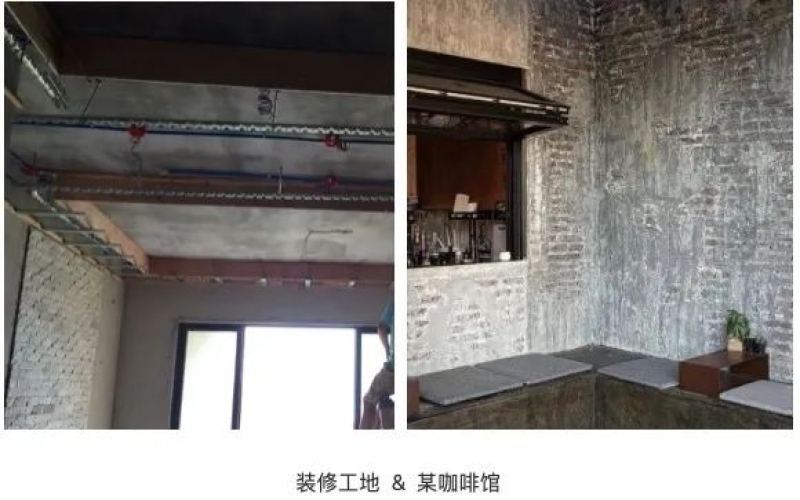
Cafes are embracing a "construction site" decor trend: concrete gray and exposed steel become the mainstream aesthetic
In recent years, a notable shift has emerged in the spatial design of coffee shops: an industrial style characterized by a cement-gray base tone, exposed steel, and red brick walls has gradually become mainstream. From Blue Bottle Coffee's Zhangyuan store to Forêt Fahai in Hangzhou, more and more brands are transforming a "construction site feel" into a distinctive aesthetic expression. Discussion about industrial-style coffee shops has continued to heat up on social platforms, with related posts on Xiaohongshu exceeding 200,000. Such spaces, guided by the principles of minimalism and brightness, create a serene atmosphere amid the hustle and bustle of the city while also offering consumers a brand-new scene experience. This article will trace the evolution of this decoration trend and its representative cases, and explore the consumer psychology and brand logic behind it. [more…]
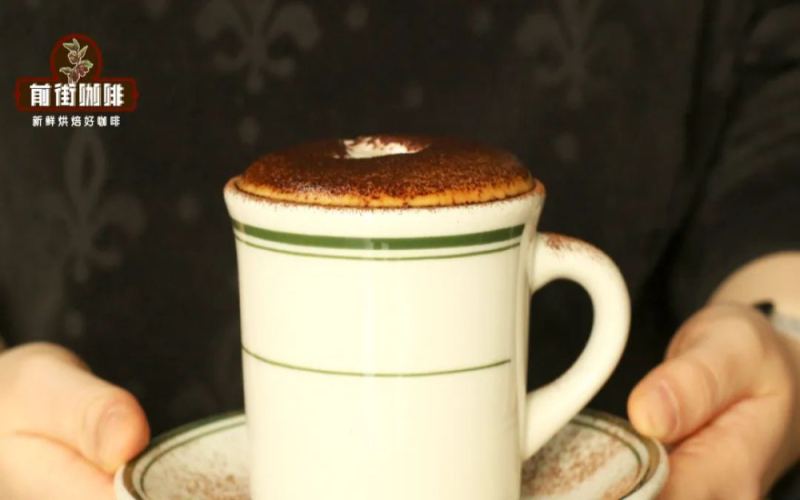
The Viral Social Media Donut Latte Home Replication Guide: A Detailed Breakdown of Recipe Ratios, Frothing Techniques, and Decoration Key Points
The donut latte that went viral on Korean social platforms, with its ring of puffed-up fluffy milk foam and cocoa powder decoration, has become a warm winter drink that gets rediscovered every time the temperature drops. Front Street has now recreated it firsthand and found that the overall barrier to making it isn't high—the key lies in controlling the ingredient ratios and the whipping state. The entire drink consists of two main parts: a hot milk coffee base and a cocoa-flavored milk cap. The base can be a hot latte or cappuccino, while the milk cap is made by mixing whipped heavy cream, syrup, and a small amount of salt. Below, we'll share the complete recipe, step-by-step instructions, and the detailed insights Front Street summarized through multiple attempts, including how the amount of milk affects the flavor, how to judge the timing of whipping the cream, and how to avoid common mishaps like the dome cracking or the coffee overflowing. [more…]
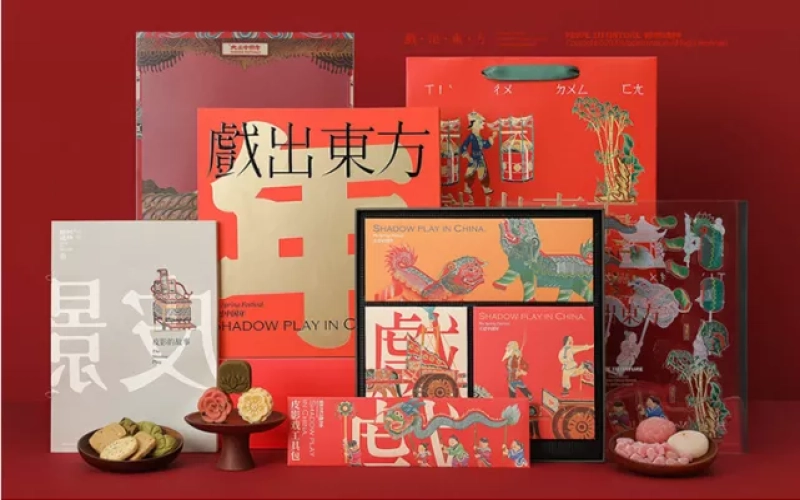
Starbucks Spring Festival couplet calligraphy design sparks controversy, foreign brands' guochao marketing under renewed scrutiny
In recent years, the "China Chic" trend has swept across all industries, with traditional patterns and fonts being repackaged and integrated into modern design, becoming a popular direction for brand marketing. The Lunar New Year is a key moment for major brands to showcase their "China Chic" creativity. This year, Starbucks collaborated with calligraphy artist Zhu Jingyi to launch Spring Festival couplets, attempting to interpret traditional Spring Festival elements in a trendy way, but it sparked widespread questioning from netizens due to the writing style and content expression. This is not Starbucks' first attempt at "China Chic"; from the "Three Good Star Youth" in 2020 to the 2022 Chinese New Year series, its strategy has gradually escalated. However, as an important carrier of traditional culture, Spring Festival couplets carry auspicious meanings, and this controversy also prompts reflection on how foreign brands can appropriately use "China Chic" elements. [more…]
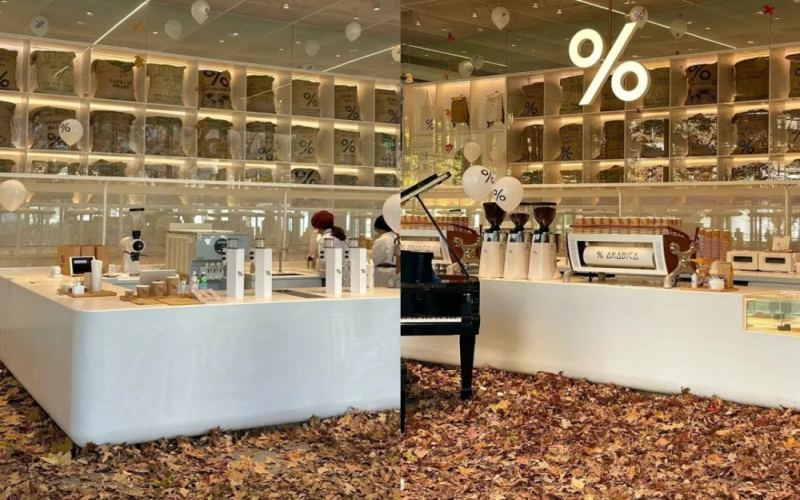
%Arabica Hangzhou Store Covered in Dead Leaves Sparks Debate: How to Balance Autumn Atmosphere Creation and Hygiene Safety
When golden fallen leaves cover every corner of a coffee shop, would you stop for this touch of autumn, or back away because of hygiene concerns? Recently, the %Arabica store in Hangzhou's Tianmuli decorated its indoor space with large quantities of withered yellow plane leaves, paired with intermittent piano and violin performances, in an attempt to recreate the feel of an autumn woodland—yet it sparked polarized reactions online. Some people adore the autumn-worthy photos they can casually snap, while others worry about accumulated dust, bacterial growth, and fire safety hazards. Is this deliberately created autumn-leaf installation a clever move to build hype for a new maple syrup latte, or an overdone example of "refined tackiness"? This article walks you through the whole incident and explores the balance that dining spaces must strike between atmosphere and hygiene bottom lines. [more…]
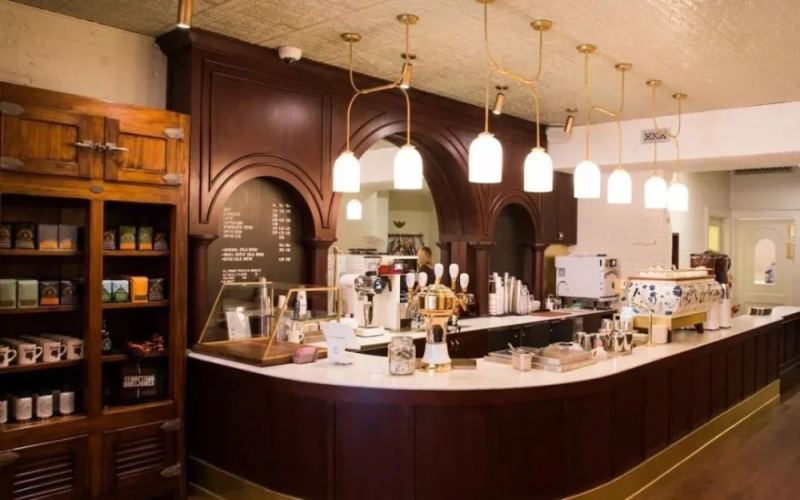
Coffee shop sink candleholder display sparks debate: ahead-of-its-time aesthetics or bathhouse vibes?
Nowadays, the coffee track is becoming increasingly crowded. In order to stand out among numerous stores, many cafes have begun to focus on spatial design. Some focus on value for money, some compete on service, and others rely on unique decor to attract young people to check in. One coffee shop has built a small rockery and an oval pool inside the store, with ceramic candlesticks holding lit candles floating in the pool. Amid the drifting mist, the candlesticks gently move with the waves, colliding with each other and making crisp sounds. The shop may have wanted to create a dreamy, cloud-like feeling, but after netizens saw the photos, opinions were mixed: some thought it was classy, while others mocked it as looking like a funeral hall, a bathhouse, or even a hot spring. From the source of inspiration to the actual impression, what kind of experience does this shop's design ultimately bring? [more…]
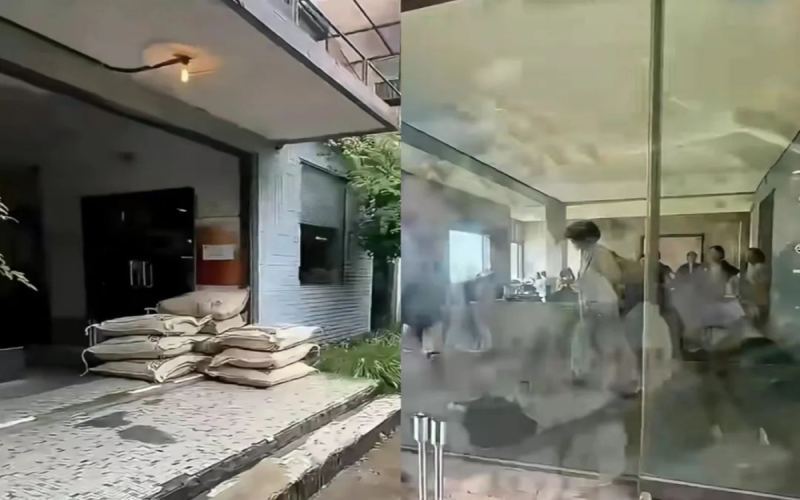
Why do ruin-style cafes attract young people to check in? Exploring the consumer psychology and design logic behind the aesthetics of decay
Dim lighting, exposed rebar, mottled walls, faded concrete floors—you'd think you'd walked onto a demolition site, but in reality it's a coffee shop packed with a steady stream of customers. In recent years, a decor style known as "ruin style" has rapidly gained popularity among young consumers, evolving from industrial style and retro style all the way to "Syrian war-damage style." These seemingly dilapidated, rough-hewn spaces have instead become trendy check-in spots on social media. What exactly is the aesthetic logic behind this trend? And what does it take to create a proper ruin-style coffee shop? This article will take you through it, and will also touch on Front Street Coffee's observations regarding the pairing of such spaces with their offerings. [more…]

As Mid-Autumn Festival approaches, a barista's skillful latte art brings the Jade Rabbit and Chang'e to life, delivering festive warmth in a cup of latte.
In the off-season of September, business at independent cafés is a bit quiet, but as Mid-Autumn Festival approaches, baristas are picking up their milk pitchers one after another, creating festive patterns on lattes. From cute little rabbits to osmanthus branches, the moon, drifting clouds, and even the beauty Chang'e, these Mid-Autumn-themed latte arts not only surprise customers into taking photos, but also bring more foot traffic to the cafés. Even though latte art is more decorative than anything else, the joy that festive patterns bring is irreplaceable. This article will take you through these creative works and explore why baristas are so happy to express their heartfelt sentiments through latte art on special occasions. [more…]
God of Wealth Latte Goes Viral, Sparks Controversy: Is the Rice Paper Decoration Offensive to Deities and Are Food Safety Concerns Warranted?
After Laba, the Spring Festival approaches, and young people are eager to seek wealth. A coffee shop in Hangzhou launched God of Wealth Latte, combining God of Wealth New Year pictures with coffee, quickly triggering a check-in craze. However, this drink has also drawn questions: Is the glutinous rice paper decoration hygienic and edible? Is it disrespectful to "drink the God of Wealth into your belly"? Previously, Heytea's "Buddha Joy Tea" was summoned for talks and taken off shelves due to religious elements. Will God of Wealth Latte repeat the same mistake? This article sorts out the ins and outs of the incident and introduces alternatives such as the coffee latte art version of God of Wealth Latte. [more…]
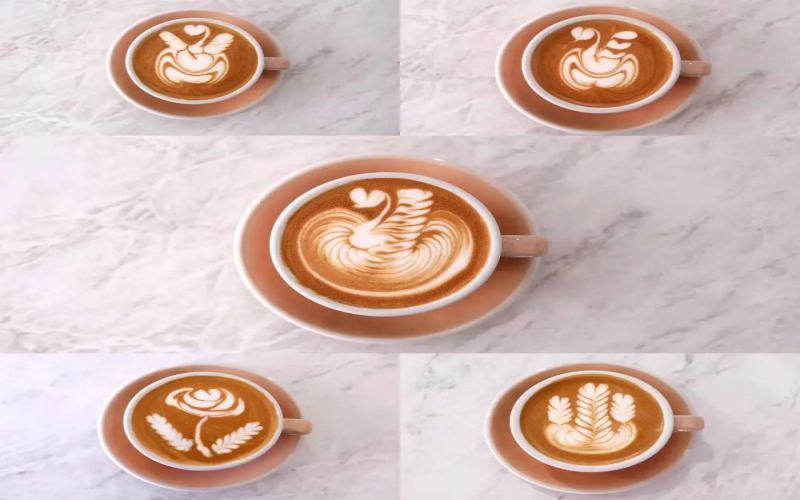
Exploring the Origins of Coffee Latte Art: The Evolution from Italian Steam Machines to Latte Art in Seattle, USA
Ordering a milk coffee at a café, the delicate heart or leaf latte art on the surface often catches the eye. Where exactly did this technique, known as "Latte Art," come from? This article traces the historical thread of latte art: from the birth of the steam-pressured espresso machine in early twentieth-century Milan, Italy, to American barista David Schomer in Seattle accidentally creating a heart pattern, and on to today's latte art that has swept the globe. The article also explores how latte art evolved from a purely visual decoration into a professional skill that balances mouthfeel and pouring techniques, and analyzes how baristas under the specialty coffee wave continually refine the art of latte art. Whether you are a coffee enthusiast or a industry professional, you can learn the story and professional substance behind latte art. [more…]
Types and Names of Tea Brewing Utensils with Illustrations: A Complete Guide from Kettles to Tea Pets
To brew a good pot of tea, understanding tea ware is the first lesson for beginners. In Lu Yu's tea art culture, predecessors used "TEA WARE" rather than "TEA TOOL" to refer to all utensils for brewing and drinking tea, which shows the pivotal position of tea ware in the way of tea. From the twenty-four items recorded in Lu Yu's "The Classic of Tea" in the Tang Dynasty to the four treasures of tea brewing in Ming and Qing Dynasties gongfu tea, the use of tea ware has long surpassed mere functionality and evolved into a tea ceremony ritual that is repeatedly performed and preserved. This article will systematically sort out the definition of tea ware under the cultural context of Taiwan, and introduce one by one the names, uses, and selection points of common utensils such as the water-boiling kettle, teapot, lidded cup, fairness cup, aroma cup, tasting cup, tea scoop, tea holder, tea strainer, tea knife, and tea pet. Whether you are a beginner just starting out or an enthusiast who wants to refine your tea skills, this comprehensive guide to tea ware can help you build a clear cognitive framework. [more…]
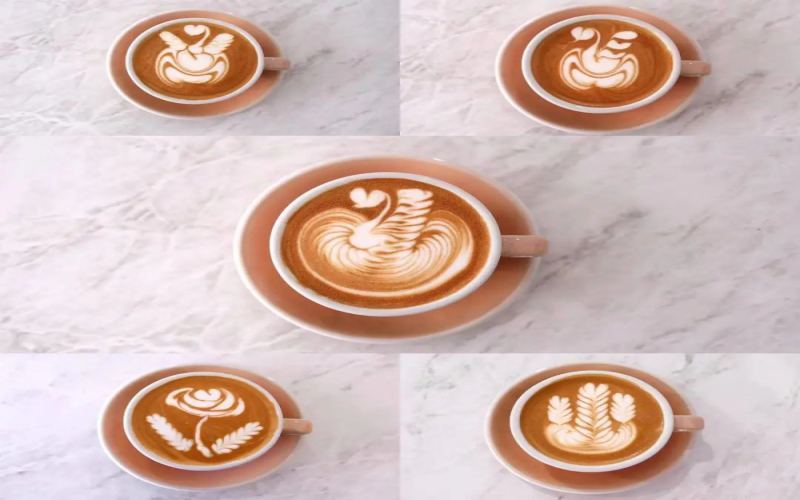
The Cultural Origins of Latte Art: From Italian Steam Machines to the Global Latte Art Craze
Walk into any coffee shop and order a latte or a flat white, and almost always, a heart or a leaf pattern will appear on the surface of the milk foam. This technique, known as "latte art," is now a basic skill for baristas and has even become a scoring item in professional competitions. But have you ever wondered who was the first person to draw patterns on coffee? Was latte art born in Italy or the United States? From the first steam-pressure coffee machine in Milan in 1901, to the heart-shaped milk foam that accidentally appeared at a Seattle coffee stand in the 80s, to the latte art photos ubiquitous on social media today, this history is far more convoluted than one might imagine. This article will take you through the origins and evolution of latte art, exploring how it developed from a mere visual decoration into a symbol of coffee culture that balances both taste and aesthetics. [more…]
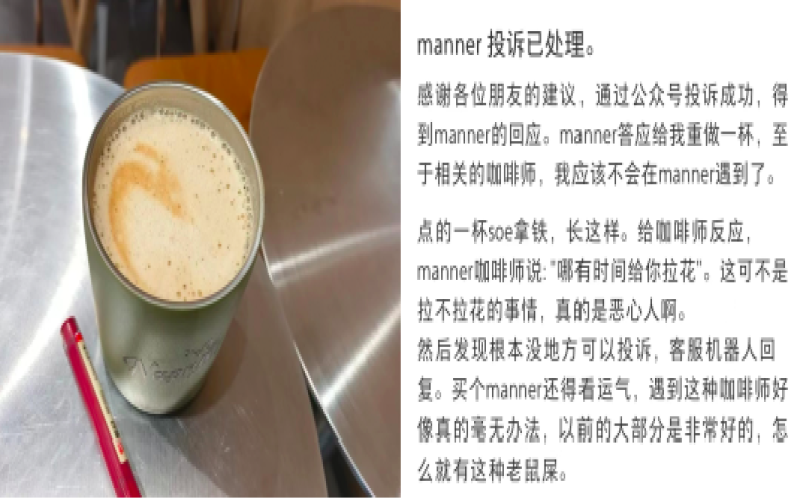
A latte without latte art cost a barista their job? Manner service controversy sparks industry reflection.
In today's world, where specialty coffee culture is increasingly widespread, latte art has become almost a standard feature of hot lattes. However, when a latte without latte art was served to a customer, the ensuing complaint actually led to a barista losing their job—an incident at a Manner store that quickly went viral on social media. Some spoke up for the barista, arguing that latte art is merely decorative and inconsequential; others pointed out that since the brand has clear regulations, an employee who responds perfunctorily to customer feedback is indeed hard to exonerate. Behind this lies not only the relationship between latte art and coffee quality, but also the deeper conflicts faced by chain coffee brands amid rapid expansion—between staffing shortages, service standards, and consumer rights. [more…]

From Saucer to Handle: The History and Artistic Testimony of How Seventeenth-Century Europeans Drank Coffee from Saucers
Today, a coffee cup and saucer are mostly just a coaster and a decorative item. But in Europe before the eighteenth century, the saucer was the "star" of coffee drinking. In 1640, the Dutch brought coffee from Mocha in Yemen to the Netherlands, and from there it spread throughout Europe, quickly making coffee drinking a fashion among the upper classes. At that time, Europe had not yet mastered porcelain-making technology and could only import thin, light porcelain cups from China—yet these cups had no handles, making the freshly brewed coffee too hot to hold. So people poured the coffee into the saucer to cool it, then sipped it the way modern cuppers do. It was not until the eighteenth century, when the Germans mastered porcelain production and handled porcelain cups became widespread, that the habit of drinking coffee from the saucer gradually faded away. This history has also been recorded in many paintings, so let's look together at the coffee stories in those still lifes and figure paintings. [more…]
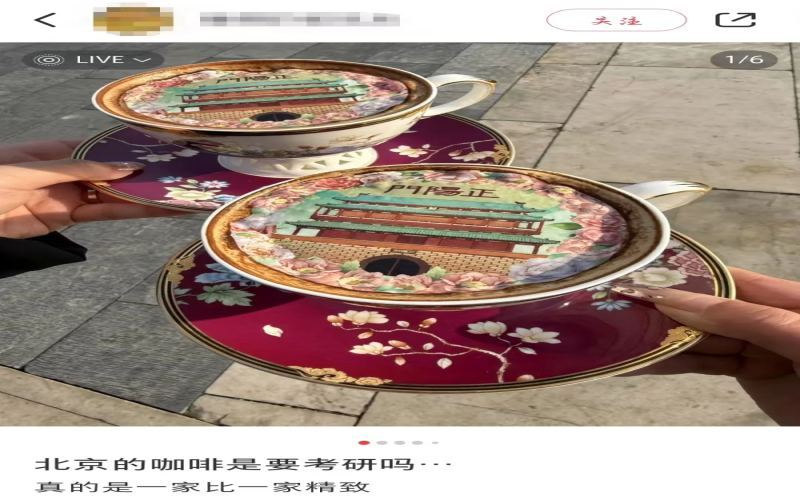
Colorful latte art has gone viral on social networks—edible printed rice paper: creative innovation or gimmick? Coffee lovers are divided.
Recently, a latte decorated with an image of the Zhengyangmen Gate Tower in Beijing sparked heated discussion on social media. The exquisite edible color-ink printing amazed many netizens with the café's ingenuity, but some also frowned at the colorful design on the surface of the liquid. What materials are actually used to make this type of color-printed coffee, jokingly called "graduate-exam level"? Does it add brilliance to the drink, or has it become a photogenic prop that looks good but is useless? Judging from shares by coffee lovers in various places, printing scenic spots, portraits, or brand logos on the surface of lattes is already nothing new, yet controversy over its taste and food safety has never ceased. This article will guide you through the production principles behind this visually stunning coffee, as well as consumers' true attitudes of love and hate toward it. [more…]

What's the Difference Between a Cortado and a Piccolo? One Article Explains the Origins, Recipe, and Evolution of This Little-Known Spanish Espresso Milk Drink
Among the wide variety of espresso-based milk coffees, the Cortado is a rather obscure presence—it is made simply by mixing espresso with hot milk in proportion, simple to prepare yet outstanding in flavor. Originating from the Basque region of Spain, this drink, with its 1:1 ratio of coffee to milk, reduces the heaviness of the espresso while preserving its rich coffee aroma, and is popular in Spain, Portugal, Cuba, and elsewhere. As it spread, it was continually adapted in different countries, also giving rise to classic variations such as the Gibraltar. This article walks you through the origins of the Cortado, its traditional preparation, its evolution across regions, and how it differs from the similar-looking, equally small-cup Piccolo coffee. [more…]